EKA BLOG

Notes from the field and the engineering desk.

Practical technical content for selecting, operating and maintaining critical-power systems.

Technical

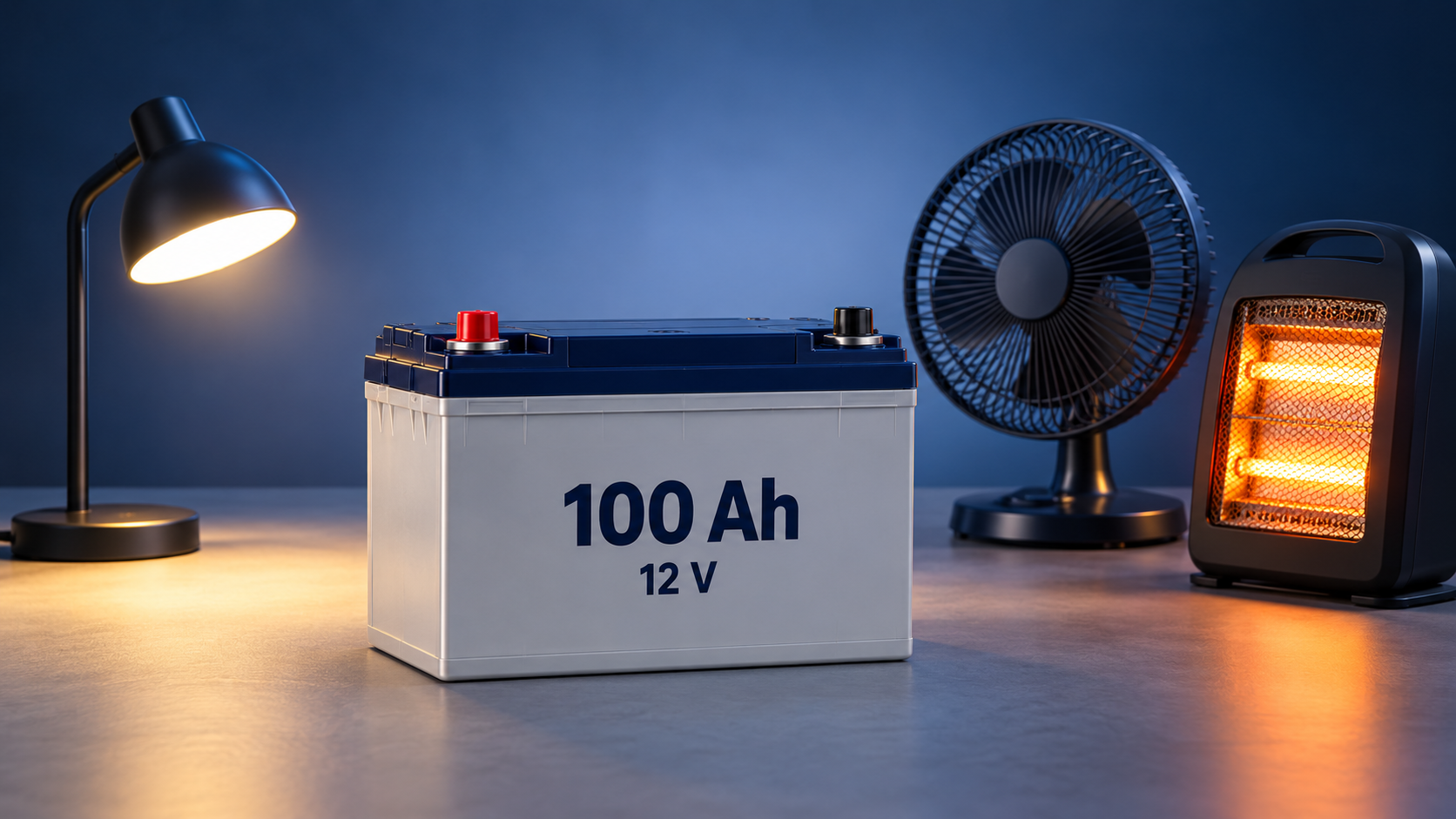
Does a 100 Ah Battery Run for the Same Time at Every Load?

A 100 Ah rating does not mean a battery will run for the same time at every load. Runtime decreases as connected devices draw more power. Battery voltage, technology, temperature, ageing and system losses also affect autonomy. This article explains the main factors that determine how long a 100 Ah battery lasts under different loads.

Read article →
Technical

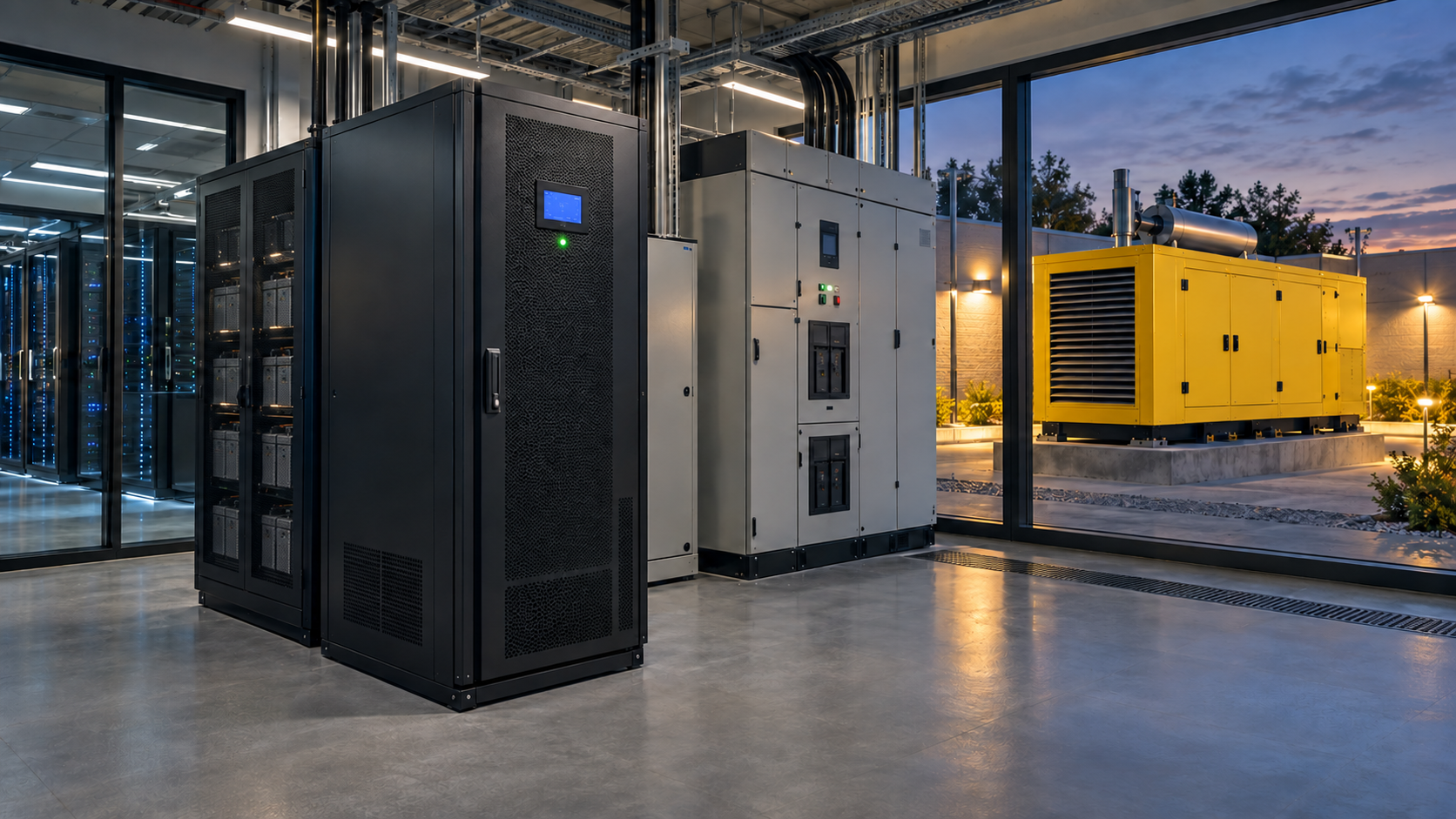
How Does Power Continue Until the Generator Starts?

After a power failure, a generator needs time to start and provide stable power. During this interval, a correctly selected online UPS continues to supply critical devices from its batteries. How do the UPS, batteries and generator work together, and what matters for an uninterrupted transfer?

Read article →

Technical

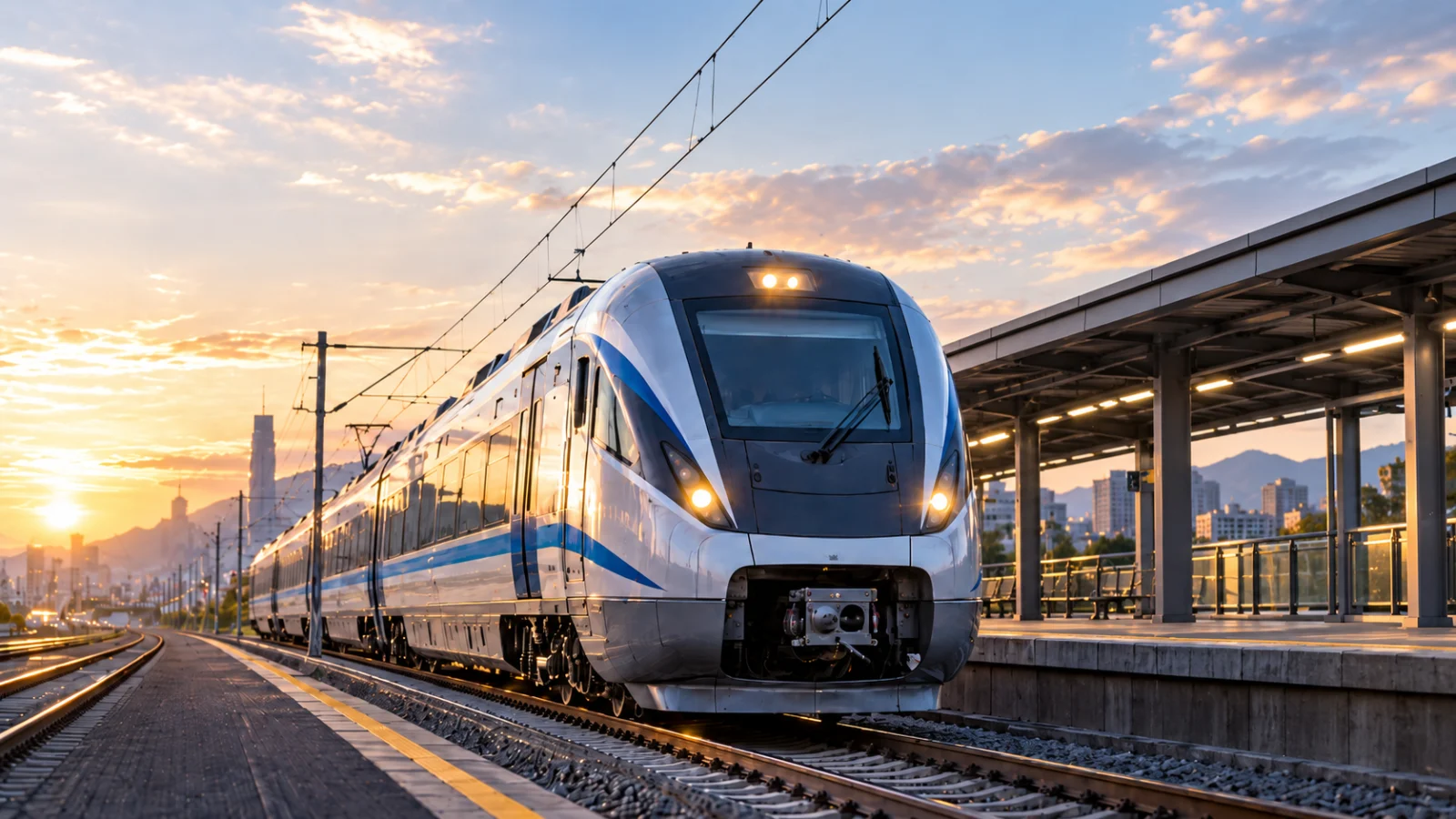
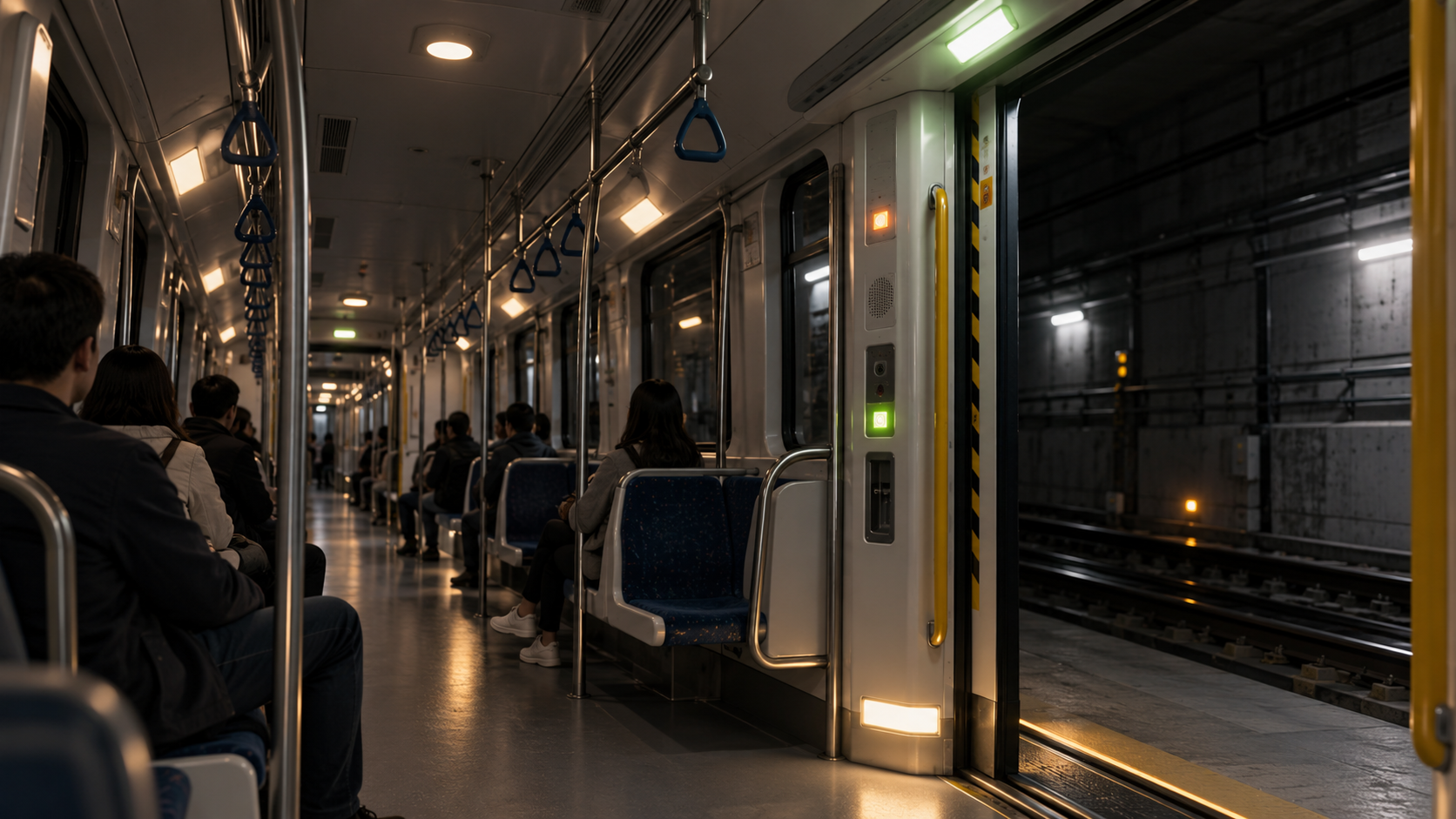
How Do Metro Train Lights and Doors Work During a Power Failure?

When the main power supply to a metro line fails, not every onboard system stops at once. The train’s battery system supports emergency lighting, communications, controls and certain door functions for a defined period. Ni-Cd batteries are widely used in railway vehicles for their resilience to vibration, temperature changes and high-current demand.

Read article →

Technical

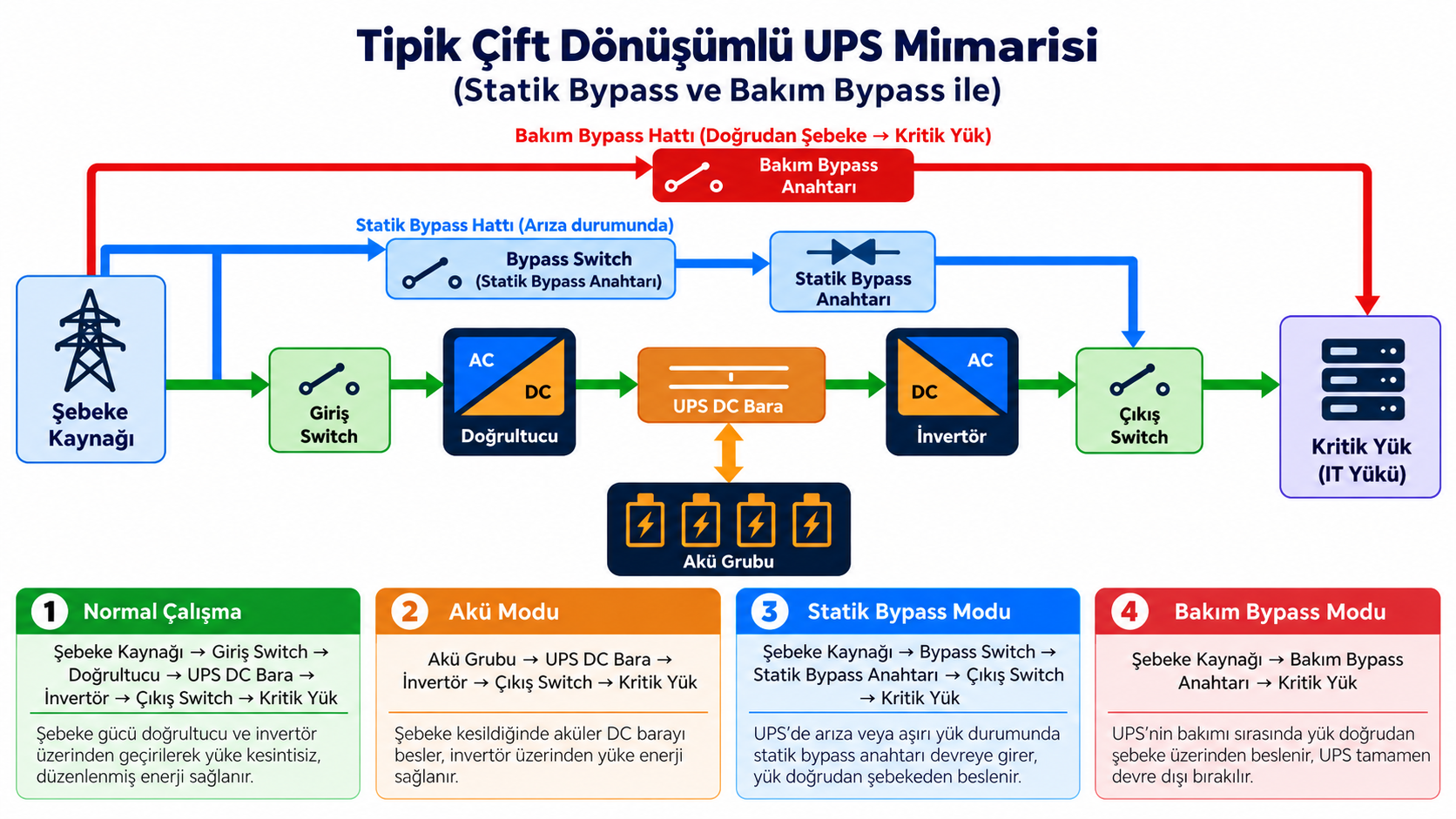
Does Power Stop When a UPS Switches to Bypass?

A load does not necessarily lose power when a UPS enters bypass. Under suitable conditions, static bypass transfers the critical load from the inverter to an alternative AC source. The load then loses the UPS’s normal double-conversion power conditioning, so the cause, source conditions and expected duration in bypass must be assessed.

Read article →

Technical

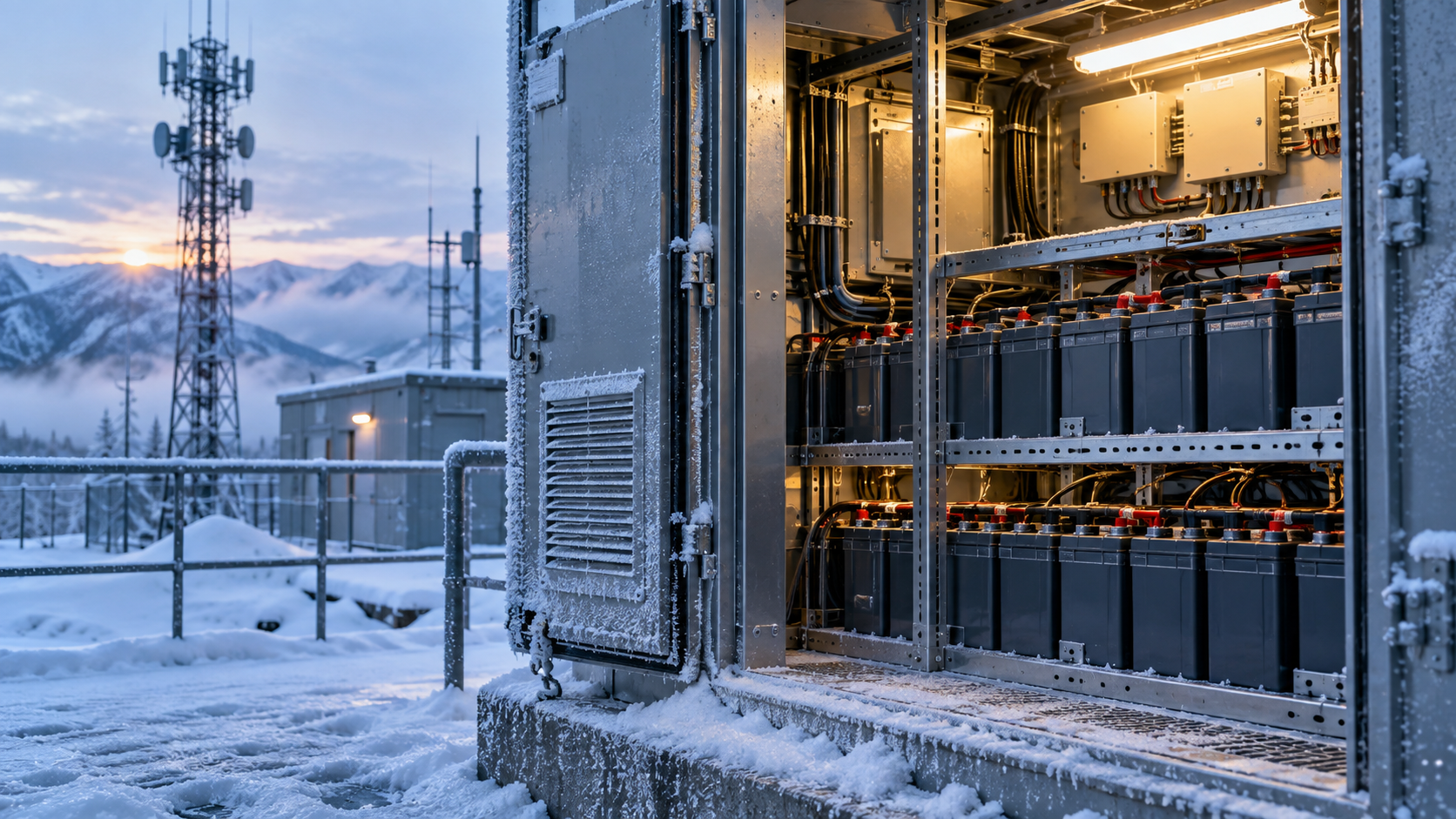
Why Do Batteries Deliver Less Capacity in Cold Weather?

Cold weather slows electrochemical reactions, which can reduce usable capacity and current performance. The effect depends on battery technology, temperature, load profile and discharge duration. Correct selection, temperature correction and suitable charging conditions are particularly important for outdoor and low-temperature applications.

Read article →

Technical

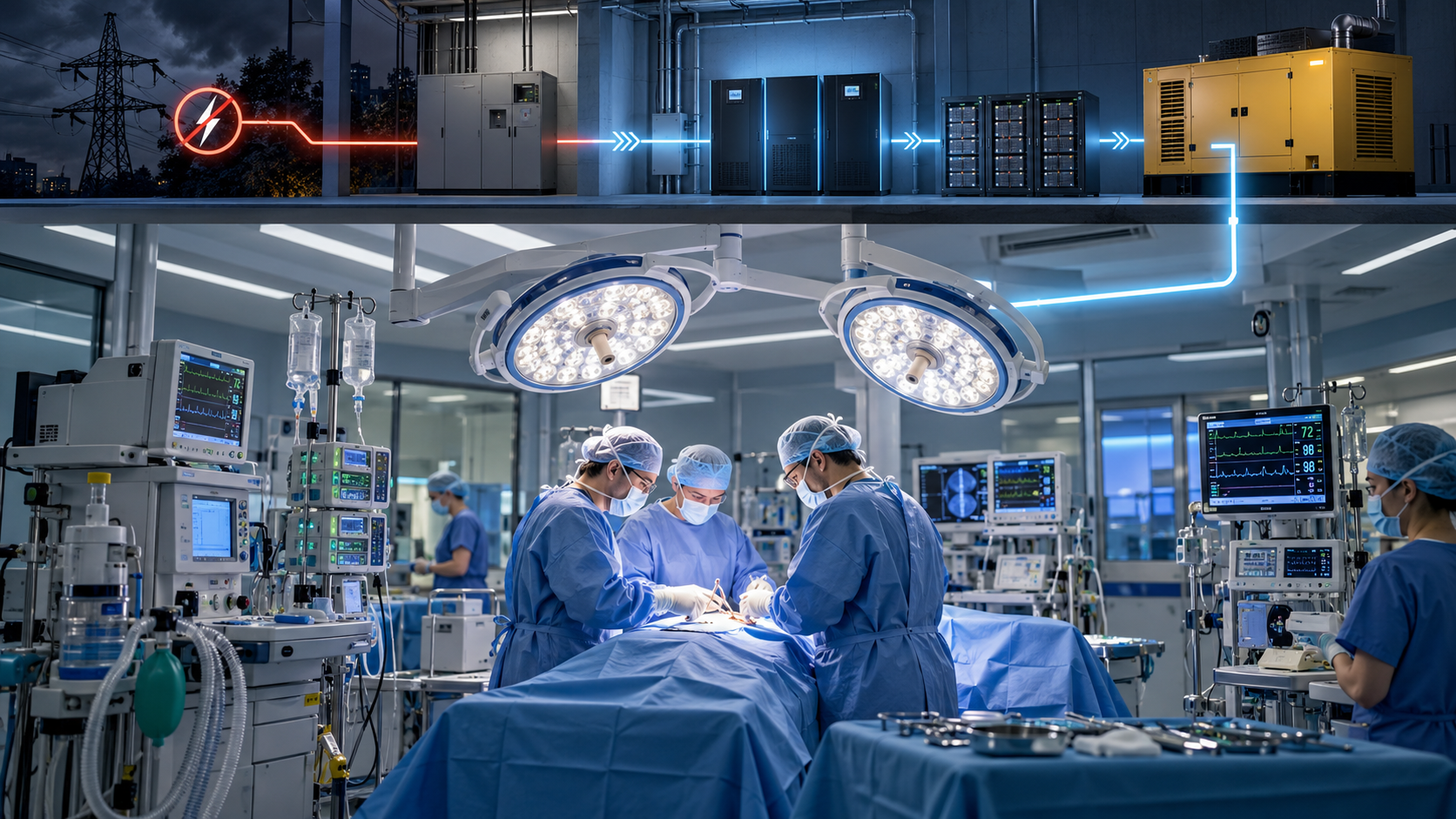
How Does an Operating Theatre Keep Working During a Hospital Power Failure?

Keeping critical hospital areas such as operating theatres running during a power failure depends on correctly designed backup infrastructure combining UPS, batteries and generators. UPS systems cover the initial transition while generators supply longer-term energy. Correct load classification, battery sizing and regular maintenance are essential for patient safety.

Read article →

Technical

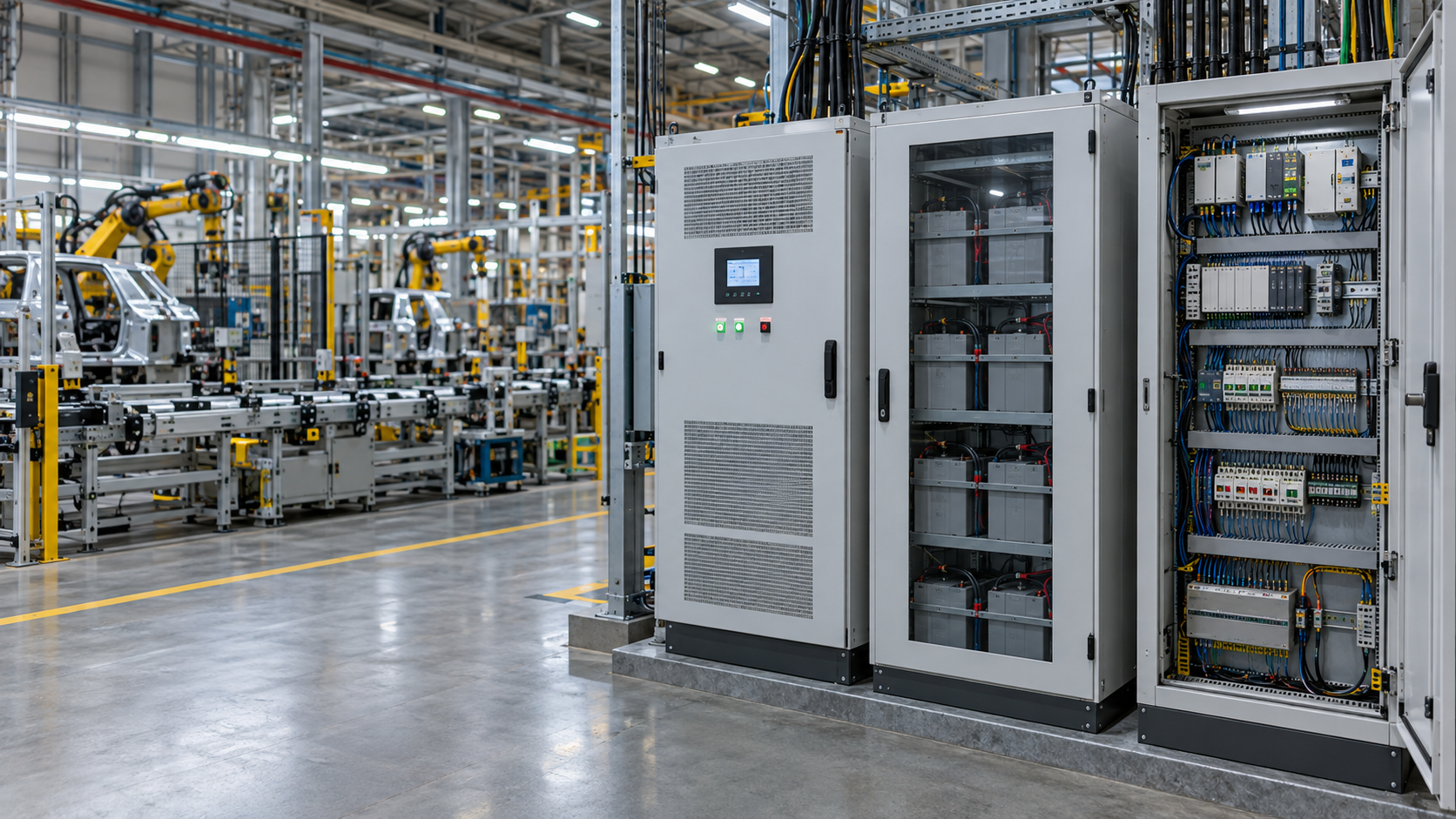
Why Can a Brief Power Failure Stop Factory Production?

Even a few seconds without power can shut down PLCs, communications, automation and controls, causing extended production losses. Identifying genuinely critical loads and maintaining their supply with UPS, DC backup and suitable batteries is therefore more useful than treating the entire factory as one backup load.

Read article →

Technical

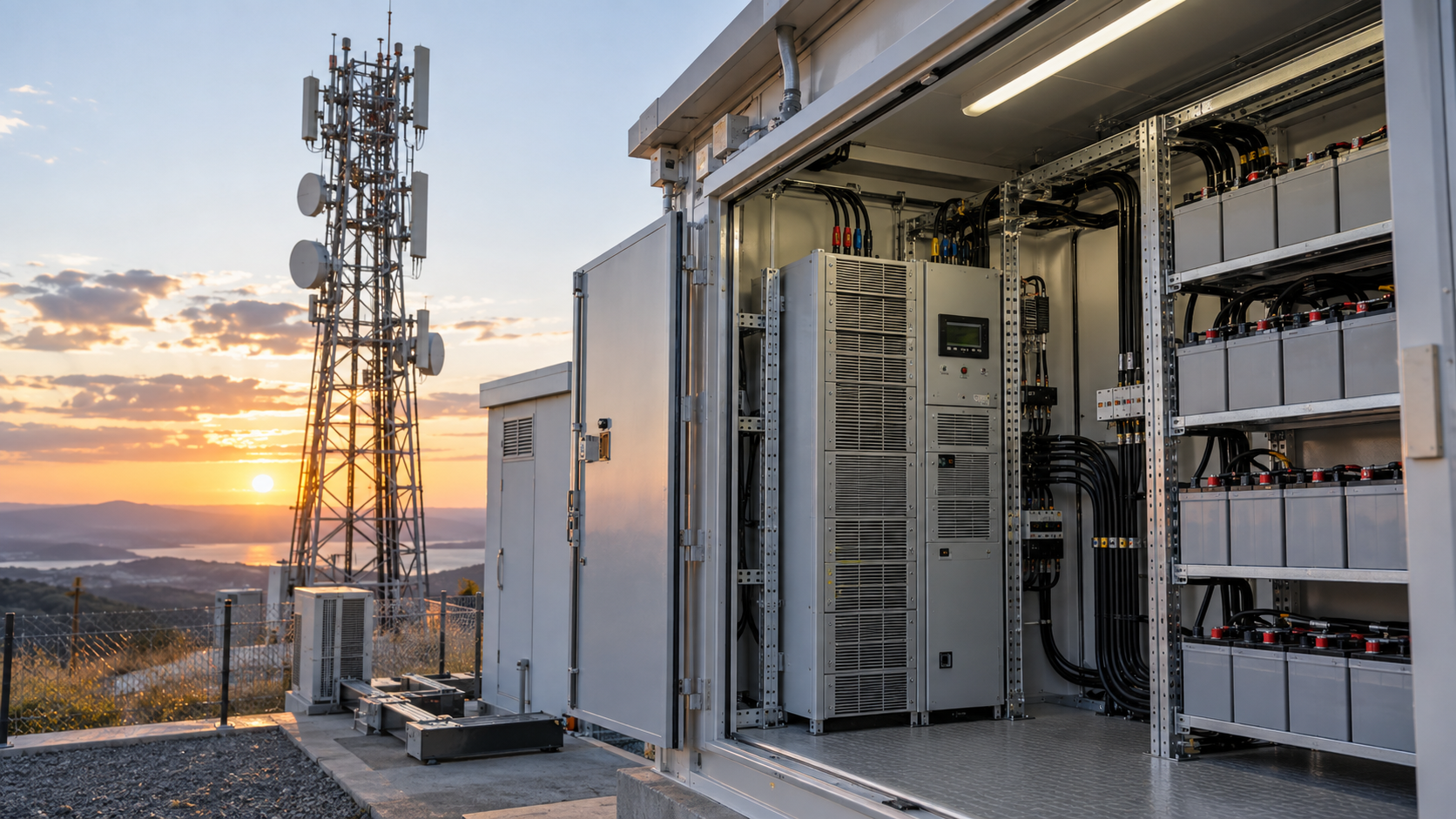
How Do Mobile Base Stations Keep Working During a Power Failure?

Mobile base stations do not rely solely on mains electricity. At many telecom sites, battery banks and suitable backup infrastructure continue to power communications equipment for a time after the mains fails, helping maintain mobile service.

Read article →

Technical

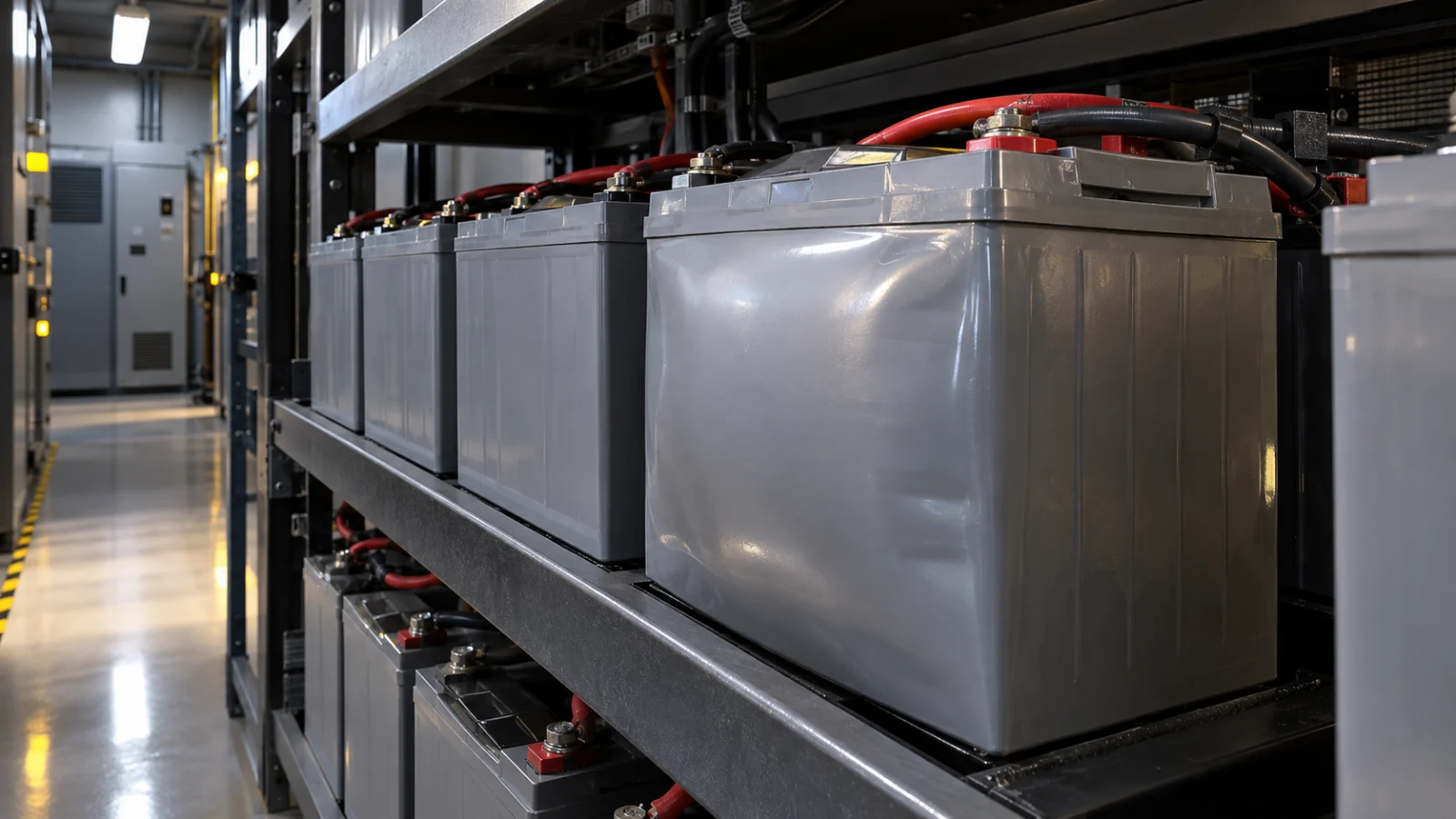
Why Do Batteries Swell?

Battery swelling can indicate high temperature, unsuitable charging voltage, gas formation or other system problems. Physical deformation in VRLA lead-acid batteries matters for system reliability as well as capacity. Maintenance should assess battery temperature, individual block voltages and charging conditions together.

Read article →

Technical

What Happens to a Lift During a Power Failure?

A conventional lift stops when its drive loses power. Modern lifts may have an automatic rescue system that uses backup energy to move the car to an appropriate floor and open the doors. A power failure therefore does not always mean the car must remain between floors for a long time.

Read article →

Technical

Why Do Trains Still Use Ni-Cd Batteries?

An electric train may take its energy from the line, but controls, communications, emergency functions and certain auxiliaries must continue when the main supply fails. The battery is therefore part of the train’s critical-power chain, as well as an energy-storage component.

Read article →

Technical

What Are the Differences Between Ni-Cd and Lead-Acid Batteries?

Industrial standby-battery selection should consider temperature, service life, maintenance, discharge performance and total cost of ownership alongside initial investment.

Read article →

Technical

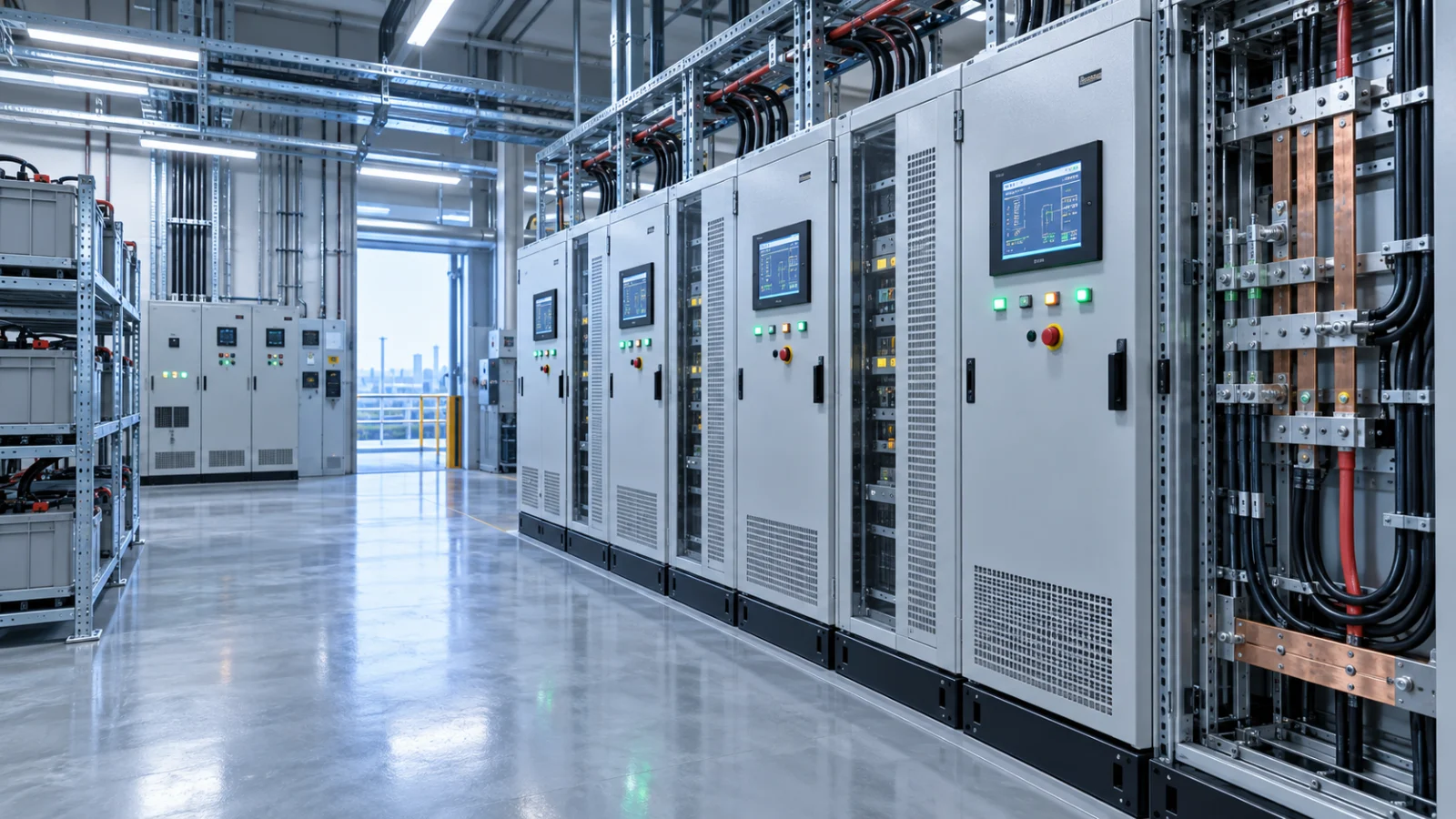
What Is an Industrial Battery-Charging Rectifier and How Does It Work?

A battery-charging rectifier supplies critical DC loads while keeping the battery bank under a suitable charging regime. This arrangement enables continuous DC power when mains electricity fails.

Read article →

Technical

What Is a UPS and Why Is It Used in Critical Systems?

A UPS is a power-electronic system that maintains critical-load continuity during power outages, voltage disturbances and power-quality problems.

Read article →

Technical

Why Do Security Cameras Keep Working During a Power Failure?

Security cameras that keep operating during a power failure do so because of their backup-power infrastructure, rather than a special feature of the cameras themselves.

Read article →